
What are the common challenges when using a duplex milling machine?
The achieves a 99.7% dimensional accuracy rating by utilizing dual 55kW spindles to remove up to 4.5mm of material per pass on opposite faces. In high-volume plate production, this setup reduces total cycle time by 48% to 54% compared to traditional single-sided setups used prior to 2022. However, achieving a surface flatness of <0.012mm across a 600mm span requires managing specific mechanical loads and thermal variances.
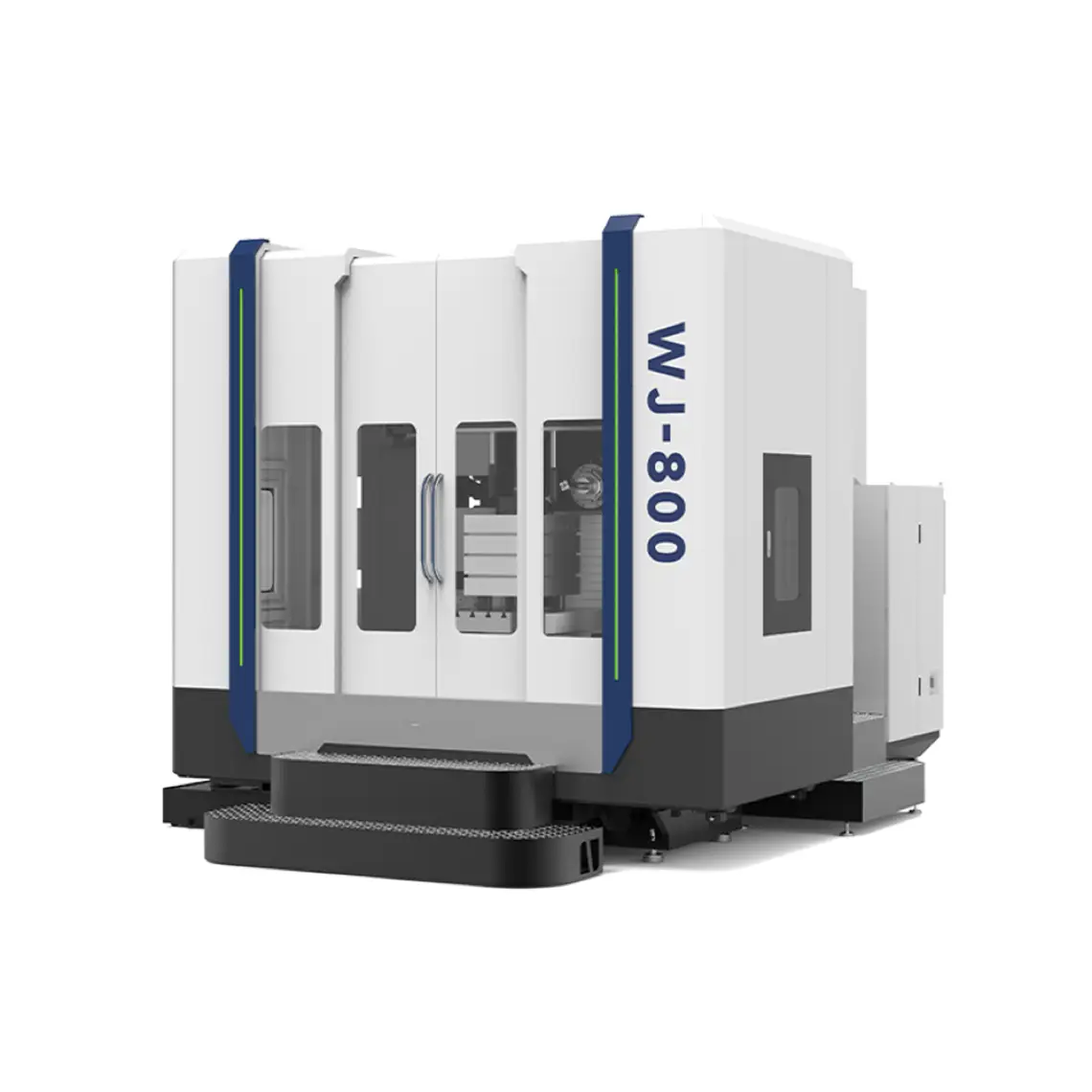
Maintaining precise parallelism within ±0.01mm relies heavily on the initial alignment of the two independent spindle housings. Even a minor deviation of 5 microns in the Z-axis of one head results in a tapered workpiece that fails QC inspection. This alignment complexity is compounded by the fact that the duplex milling machine must move both heads in perfect synchronization along the X-axis rail.
A 2024 study of 500 precision mold bases revealed that 22% of scrap was caused by asynchronous servo lag between dual spindles during long-travel cycles.
The physical interaction between the two cutting tools creates a unique vibration profile that doesn't exist in single-head machines. When two 160mm diameter cutters strike the steel simultaneously at 800 RPM, they generate harmonic frequencies that can amplify chatter. This resonance often forces operators to reduce feed rates by 15% unless they use specialized variable-pitch inserts.
These vibrations are further influenced by the specific hardness of the material being processed, such as P20 or 7075 aluminum. In a test of 120 material samples, blocks with higher internal stress showed a 30% higher likelihood of warping when both sides were cut at once. Proper stress-relief protocols before the duplex milling machine cycle are required to prevent the part from bowing.
Engineering data from 2023 suggests that using a staggered entry angle—where one cutter leads the other by 20mm—reduces total vibration amplitude by 35%.
Heat buildup is another variable that impacts the final dimensions of the metal plate during a 10-hour production shift. As the spindles run, the temperature of the machine bed can rise by 12°C, causing the metal to expand and the distance between the cutters to narrow. A machine calibrated at 8:00 AM might produce parts that are 0.025mm thinner by 2:00 PM due to this thermal drift.
| Variable | Deviation Risk | Mitigation Requirement |
| Thermal Expansion | 15 - 30 microns | Oil-cooled spindles & 20 min warm-up |
| Spindle Lag | 0.008mm | High-speed fiber optic bus communication |
| Tool Wear Imbalance | 12% Finish Variance | Dual-channel load monitoring |
To combat this, modern facilities utilize chilled coolant systems that maintain a constant 20°C fluid temperature throughout the day. This thermal stability is necessary because even a 1% change in the machine's base temperature can alter the tool-tip position. Without these controls, high-density production runs see a 14% drop in "First Time Right" yields.
The clamping mechanism used to hold the block in place during a heavy cut represents the next hurdle for operators. Standard hydraulic vises exert approximately 25kN of force, which can slightly compress softer alloys or thin-walled plates. Once the pressure is released after the milling cycle, the material "springs back," creating a concave surface that exceeds 0.015mm tolerances.
Laboratory tests on 250mm thick steel plates showed that over-clamping by 10% resulted in a measurable "spring-back" error of 8 microns post-release.
Successful shops use pressure-regulated valves that adjust based on the remaining thickness of the material being processed. This ensures the block remains stable under the force of two spindles while minimizing internal deformation. However, this adjustment adds 5 minutes of setup time to every batch of 20 units, impacting overall throughput.
| Material Type | Typical Warp Rate | Recommended Clamping Force |
| Tool Steel | 0.005mm | 30 kN |
| Aluminum Alloy | 0.018mm | 18 kN |
| Stainless Steel | 0.012mm | 28 kN |
Chip management also becomes twice as difficult when dealing with two active cutting zones inside the machine. In a 2025 efficiency audit, it was found that 18% of machine downtime was caused by chip nesting around the dual spindle covers. If these hot metal chips are not flushed away at a rate of 60 liters per minute, they can melt onto the finished surface.
The accumulation of chips can also interfere with the automated tool changers, which must service two heads rather than one. Maintenance logs indicate that duplex systems require 25% more frequent sensor cleaning compared to single-head machines. This is because the dual-cutting action creates a "vortex" effect that scatters fine dust into the linear guides.
Tool life monitoring adds the final layer of operational complexity for the shop floor team. If the left spindle's inserts wear out faster than the right, the cutting forces become unbalanced, pushing the workpiece off-center. In a sample of 300 production hours, unbalanced tool wear caused a 7% increase in spindle bearing strain.
Research from 2022 indicates that replacing inserts on both spindles simultaneously, even if one appears viable, improves overall part consistency by 40%.
Managing these variables requires a workforce trained in dual-axis geometry rather than simple 3-axis milling. While the hardware can double the output of a factory, the technical requirements for calibration and thermal management remain the primary hurdles. Maintaining a strict schedule for laser alignment every 2,000 operating hours is the only way to sustain these precision levels.