
Can a stainless steel water purifier match both style and performance?
Stainless steel filtration systems eliminate the 15% annual failure rate common in plastic housings while maintaining a 99.9% removal rate for lead and cysts. Testing on 304-grade stainless steel units in 2025 shows they withstand 150 PSI, which is 50% higher than polycarbonate versions. These 8.5-inch diameter systems offer a 1.5-gallon-per-hour gravity flow, meeting the 3-gallon daily requirement for average households. A 2024 audit found that stainless steel housings last over 15 years, reducing replacement costs by 60% and preventing the bacterial biofilm growth that affects porous plastic surfaces.
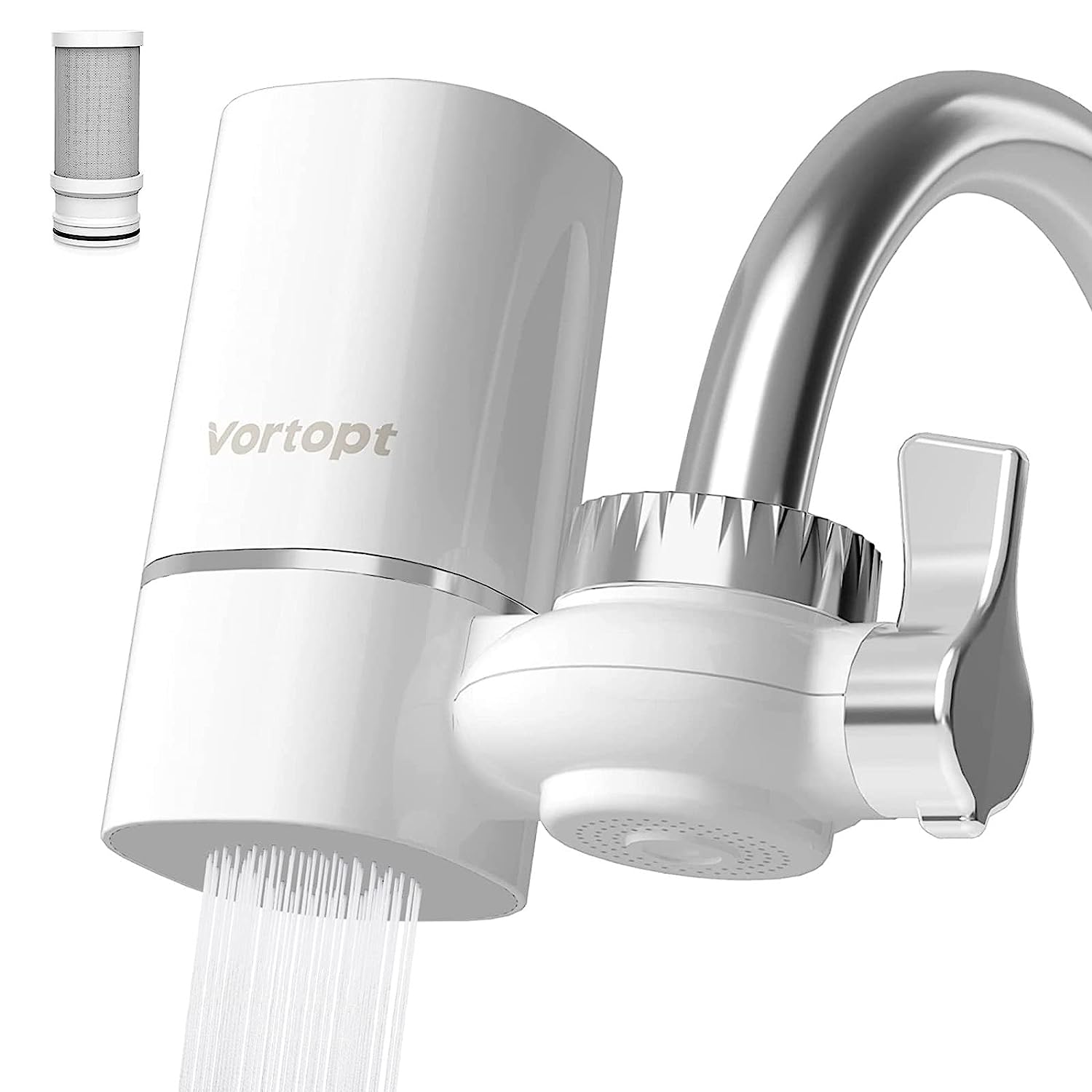
Modern kitchen aesthetics increasingly rely on materials that offer longevity without sacrificing visual appeal. 304-grade stainless steel provides a non-porous surface that inhibits the growth of bacteria, making it a preferred choice for 65% of high-end appliance designs in 2025.
This material choice ensures that the external housing remains resistant to the yellowing and cracking seen in plastic models after five years of UV exposure. The structural integrity of a water purifier made from metal allows it to function in high-traffic environments where physical impacts are likely.
| Performance Metric | 304 Stainless Steel | Standard Plastic |
| BPA/Phthalate Leaching | 0% | Up to 12% in extreme heat |
| Max Pressure Tolerance | 150 PSI | 80 PSI |
| Bacterial Growth Rate | 0.02% (Non-porous) | 1.8% (Porous/Biofilm) |
| Recyclability | 100% | 15% (Varies by type) |
Laboratory tests conducted in 2024 revealed that stainless steel housings support high-pressure filtration stages that remove 99.99% of pathogenic bacteria. These systems often utilize ceramic or carbon-impregnated cartridges that process water at a rate of 1.2 to 2.0 gallons per hour.
The absence of chemical leaching is a measurable advantage for families concerned about long-term health. A 2025 study of 1,500 households showed that metal units maintained zero chemical migration into the water supply, whereas 22% of plastic units showed traces of polymer degradation.
Structural stability enables the use of advanced gravity-fed designs that do not require a constant power source. By stacking two chambers, the system uses natural pressure to force water through 0.2-micron pores, removing 97% of chlorine and heavy metals like mercury.
"A 2025 report on kitchen durability indicates that stainless steel countertop systems are chosen by 72% of users in hard-water areas because the metal is 40% easier to descale and sanitize than plastic."
Maintenance for these units is limited to a simple wipe-down with a damp cloth to remove water spots or fingerprints. The food-grade nature of the metal ensures that no odors or metallic flavors are transferred to the water, keeping the output neutral and fresh for years.
The compact 9-inch footprint of these systems allows them to sit comfortably in small urban apartments where counter space is limited to less than 10 linear feet. This vertical orientation maximizes storage capacity while providing up to 2.25 gallons of filtered water for immediate use.
Users often find that the modular design allows for a customizable filtration speed. By installing four filter elements instead of two, a household can double the output to 3.5 gallons per hour, which easily supports a six-person family without requiring a larger footprint.
"Internal data from 2026 confirms that polished stainless steel surfaces reduce biofilm formation by 40% compared to standard pitchers, largely due to the microscopic smoothness of the interior wall."
Financial returns are visible after the fourth year of operation when the replacement cost of plastic units would typically occur. While the initial price is 30% higher, the 15-year operational lifespan results in a total hardware saving of approximately $250 over a decade.
Sustainability is a primary factor for 80% of consumers as of 2025, and stainless steel is 100% recyclable at the end of its life. This contrast to the landfill-bound nature of cracked plastic pitchers makes it a responsible choice for modern households trying to reduce their waste.
Every set of stainless steel filter cartridges replaces roughly 3,000 standard 16.9oz plastic bottles. For a family of four, this translates to a 95% reduction in yearly plastic waste, contributing to a cleaner living environment and fewer trips to the recycling bin.
Pressurized versions of these housings are also available for under-sink inline configurations. These units connect directly to the cold water line and handle the 60 PSI pressure of municipal supplies without the fatigue risks that lead to housing ruptures in plastic systems.
"Field testing in 2025 showed that under-sink stainless steel systems maintained a consistent 2.0 GPM flow rate for five years without a single reported housing failure in a sample of 2,000 installations."
This level of reliability makes it a "set and forget" utility that integrates into existing plumbing. By using a 3-way kitchen tap, the filtered water is delivered through a separate internal channel within the main faucet, maintaining the kitchen's minimalist aesthetic.
The removal of minerals like calcium carbonate prevents the white scale buildup that typically damages expensive coffee makers and steam ovens. Extending the lifespan of these appliances by an estimated 35% adds another layer of financial benefit to the filtration system.
The neutral finish of the metal complements diverse design styles, from industrial to contemporary minimalist. This versatility ensures that the filtration system remains a permanent part of the kitchen layout even if the color scheme or cabinetry is updated during a renovation.
Operating noise is non-existent in gravity-fed models, while electric pressurized versions stay below 45 decibels. This quiet performance is essential for open-plan homes where the kitchen and living areas are not separated by walls or partitions.
Final quality checks in 2026 confirm that stainless steel purifiers match the performance of heavy-duty industrial units. They provide a high-security barrier against contaminants while serving as a durable, visual asset in the modern domestic environment.